
Social, Equity, and Governance Considerations of Bioenergy with Carbon Capture and Storage
Executive Summary
Bioenergy with carbon capture and storage (BECCS) stores carbon dioxide (CO2) emissions produced during bioenergy generation. By integrating biomass energy production with carbon capture, BECCS seeks to mitigate climate change while providing a renewable energy source. The IPCC forecasts that humanity will need to sequester 5 to 10 gigatons of CO2 annually by 2100 to keep the global average temperature rise below 1.5 degrees Celsius (Pathak et al. 2023). However, due to political, governance, economic, and social constraints, the actual potential of BECCS may be much lower. The costs associated with carbon capture, transportation, and storage can be significant, necessitating financial incentives and supportive policies to encourage investment in these technologies.
Moreover, large-scale biomass production may compete with food production and impact biodiversity, requiring careful management and planning to ensure sustainability. Many climate models indicate that the widespread deployment of BECCS will be essential to meet ambitious climate targets, underscoring its significance in long-term climate strategies. Addressing the social and ethical considerations as well as political and governance frameworks are essential in the deployment and success of this technology.
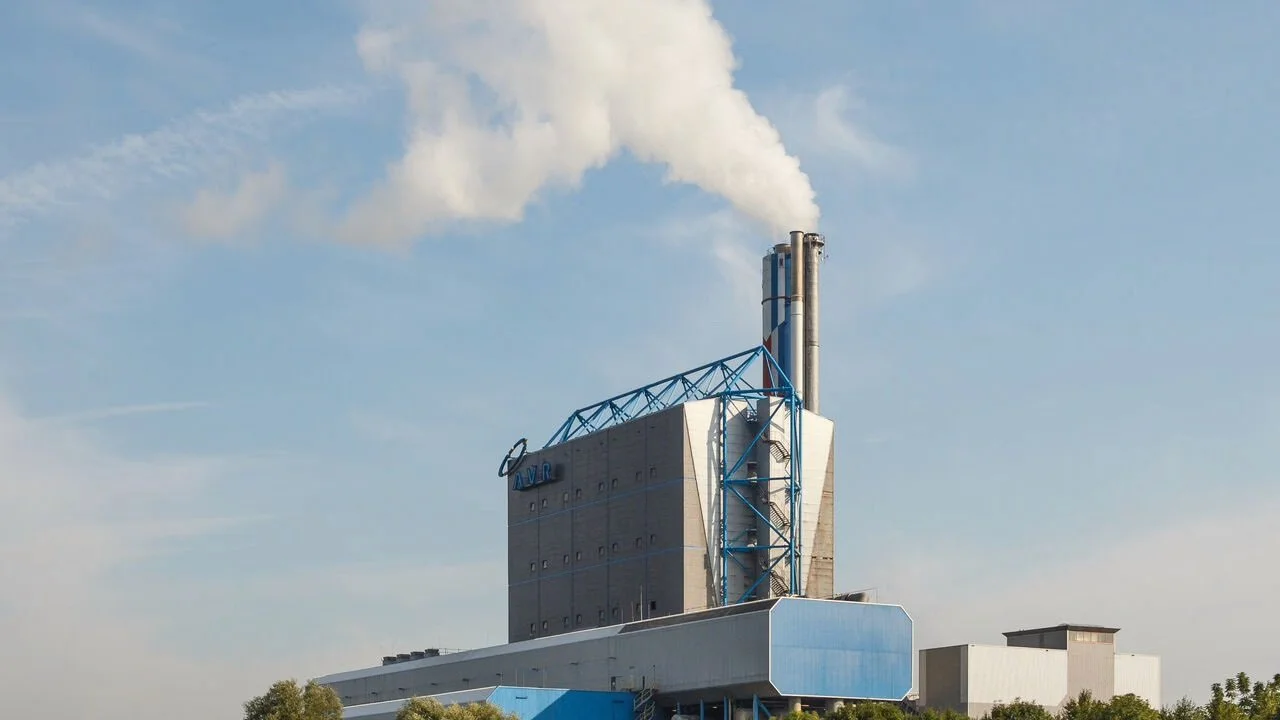
BECCs Facility
